Conversion Rate Optimisation Agency for UK Businesses

Make more of your existing website traffic by finding what holds visitors back and identifying where improvements matter most.

Your website attracts visitors, but not enough take the next step. Conversion rate optimisation helps identify barriers and improve the journey towards meaningful actions.

Whether you generate leads or sell online, your website needs to turn visitor interest into enquiries, registrations or completed purchases without unnecessary friction.

Our proposed CRO approach focuses on understanding user behaviour, identifying opportunities and prioritising changes against your commercial objectives, with measurement guiding decisions.

  • Identify conversion barriers

  • Improve user journeys

  • Prioritise meaningful changes

  • Measure website performance


    A Results-First Agency You Can Rely On

    Google Partner Badge
    Google Partner
    Manchester Clock Tower
    UK-Wide Service
    UK Growth Chart
    UK Consultants
    Expert Award Medallion
    Senior Led
    Lead Generation Funnel
    Pipeline Focused
    Analytics Report
    Transparent Reporting

    Our Conversion Rate Optimisation Services

    Improving conversions starts with understanding where potential customers hesitate, abandon a journey or struggle to complete an action. The work should address the causes rather than rely on cosmetic changes alone.

    Conversion and funnel analysis

    Understand how visitors move through important website journeys and where they leave before completing an intended action. Analysis should help identify which pages, steps or interactions deserve closer investigation.

    User behaviour research

    Investigate potential reasons behind hesitation, confusion or abandonment. Depending on the agreed scope and available evidence, research may include reviewing customer feedback, website journeys and user behaviour data.

    Landing page optimisation

    Review whether landing pages communicate a clear proposition, match visitor expectations and make the next step easy to understand. Recommendations should reflect the campaign, audience and intended conversion.

    Form and call to action optimisation

    Examine whether forms, buttons and other calls to action introduce unnecessary effort or uncertainty. Improvements should make the intended action clearer while collecting the information the business genuinely needs.

    A/B testing and experimentation

    Where suitable traffic, reliable measurement and the necessary technical setup are available, test competing versions of a page or element against a defined objective.

    Conversion measurement and reporting

    Define the actions that matter, review how they are recorded and assess performance against an agreed baseline. Reliable measurement helps distinguish meaningful changes from fluctuations that do not establish a genuine improvement.
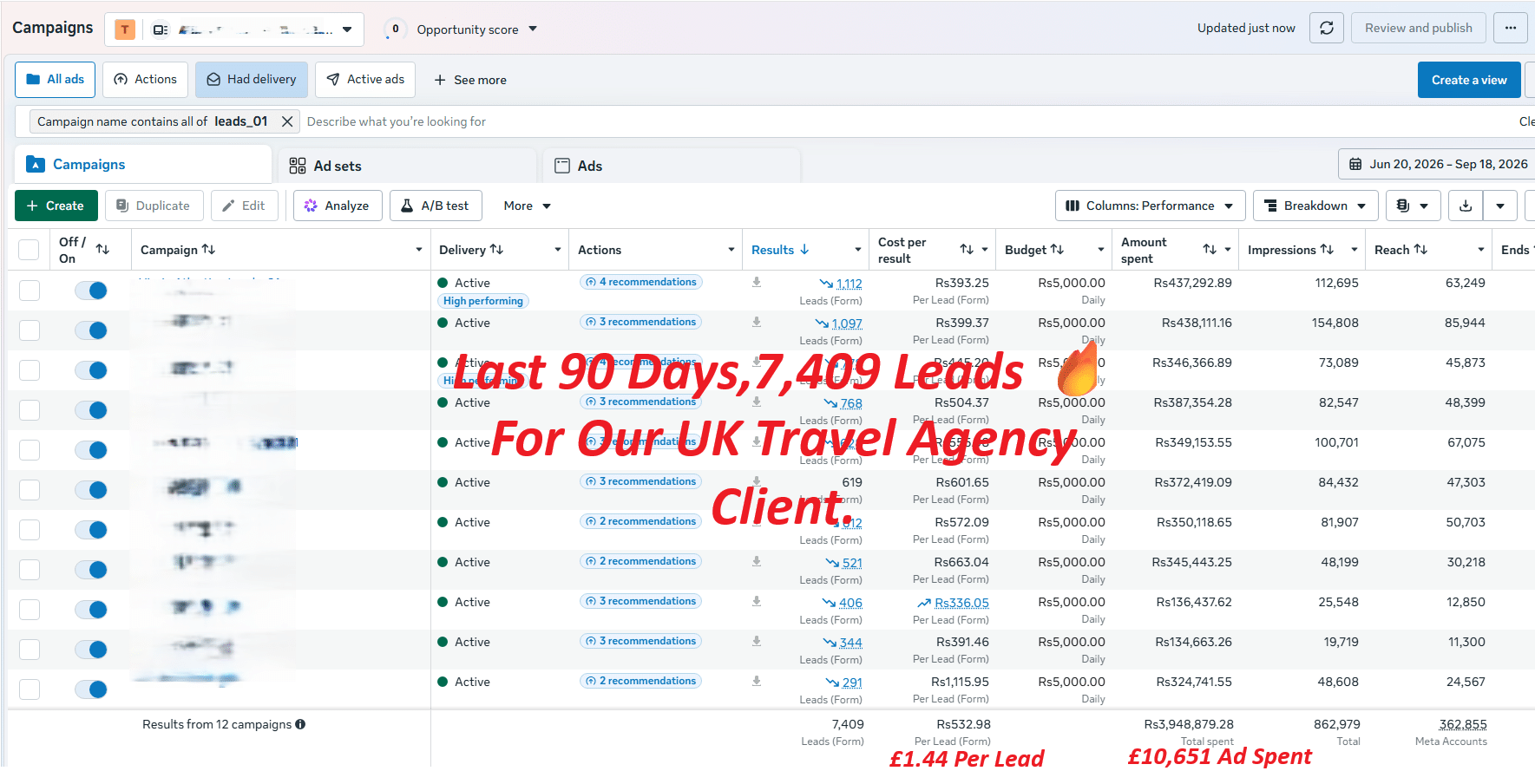
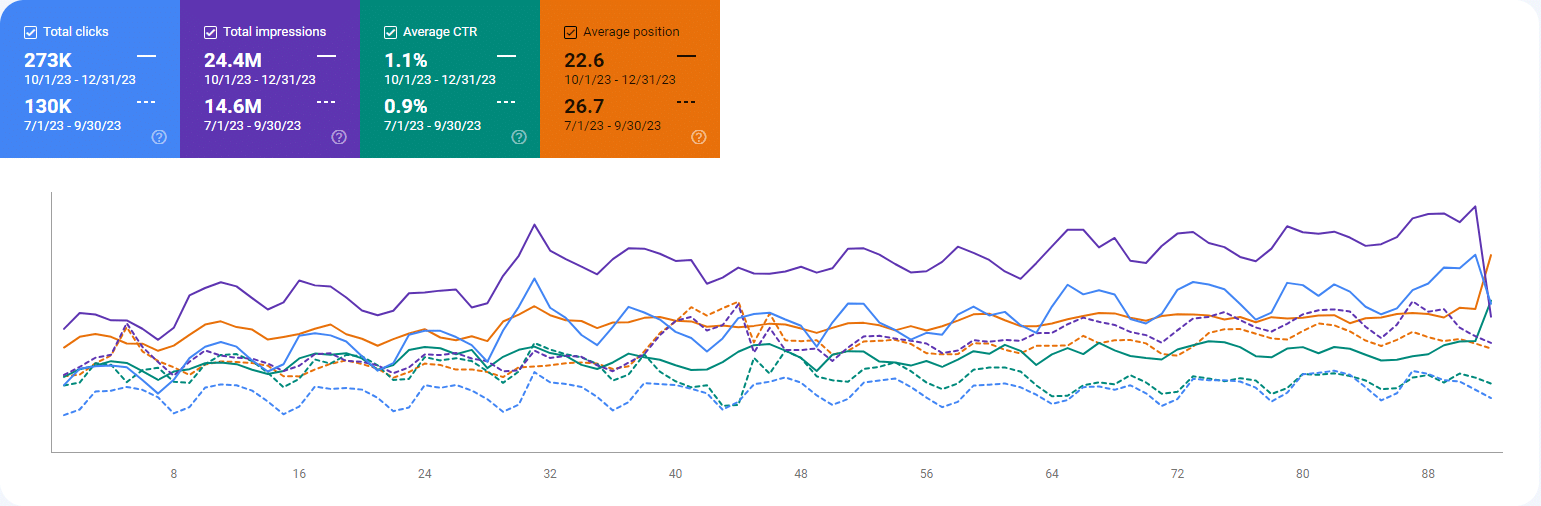
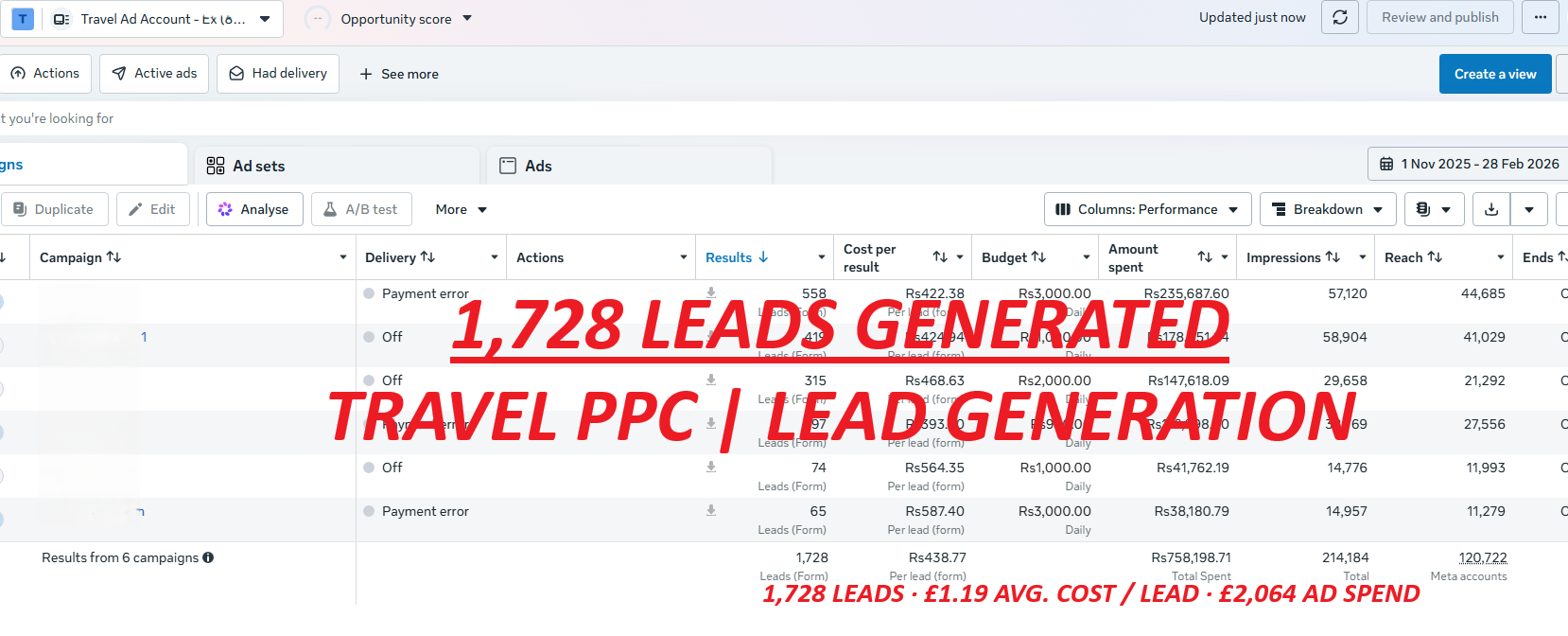
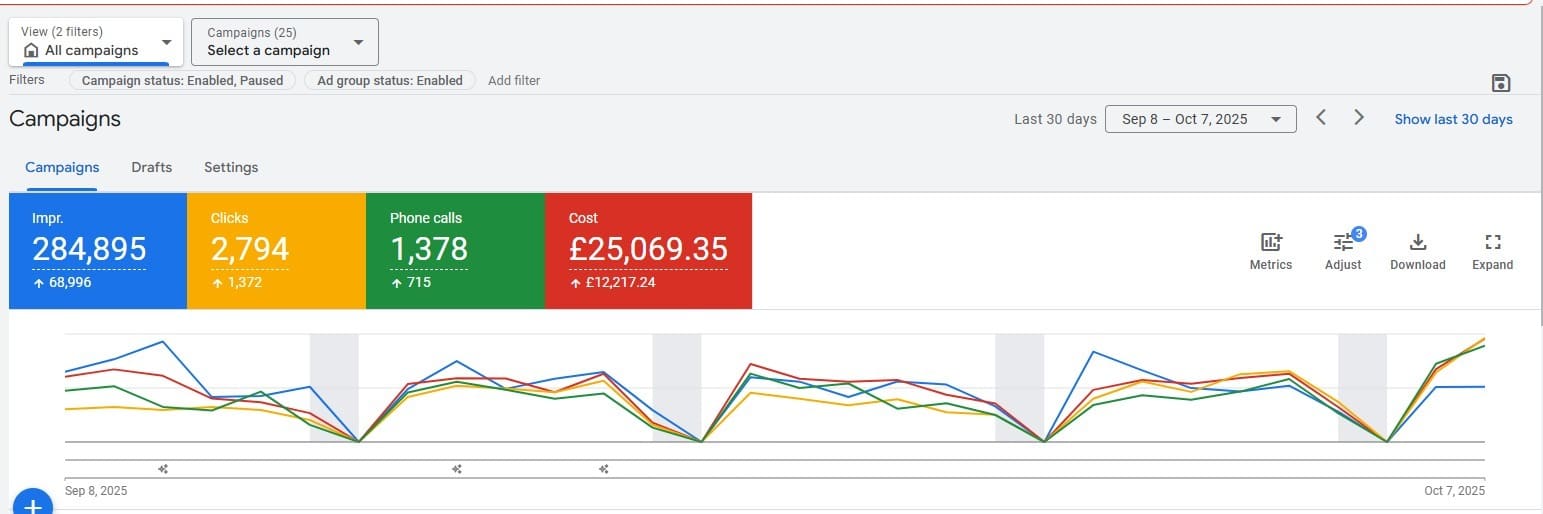
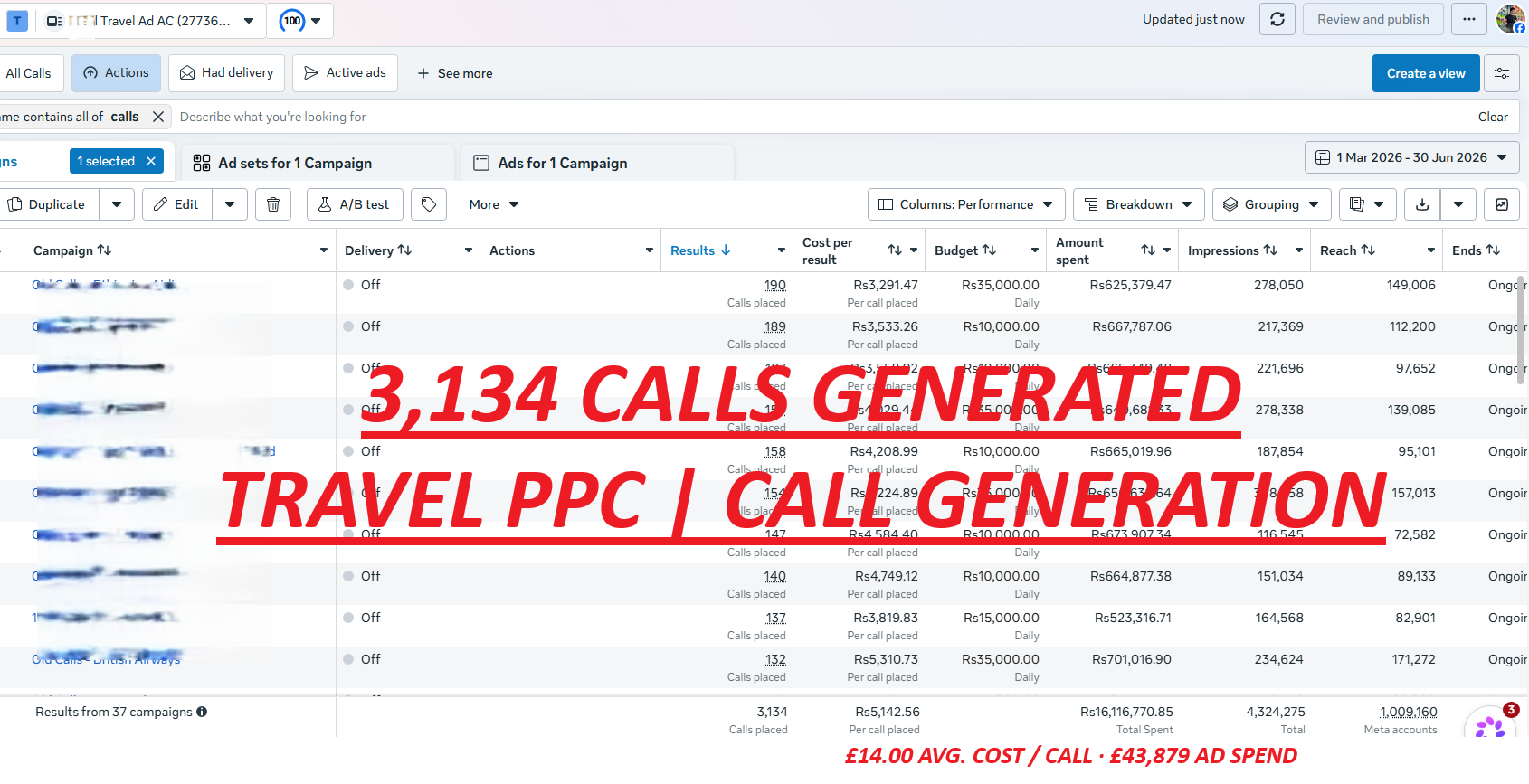
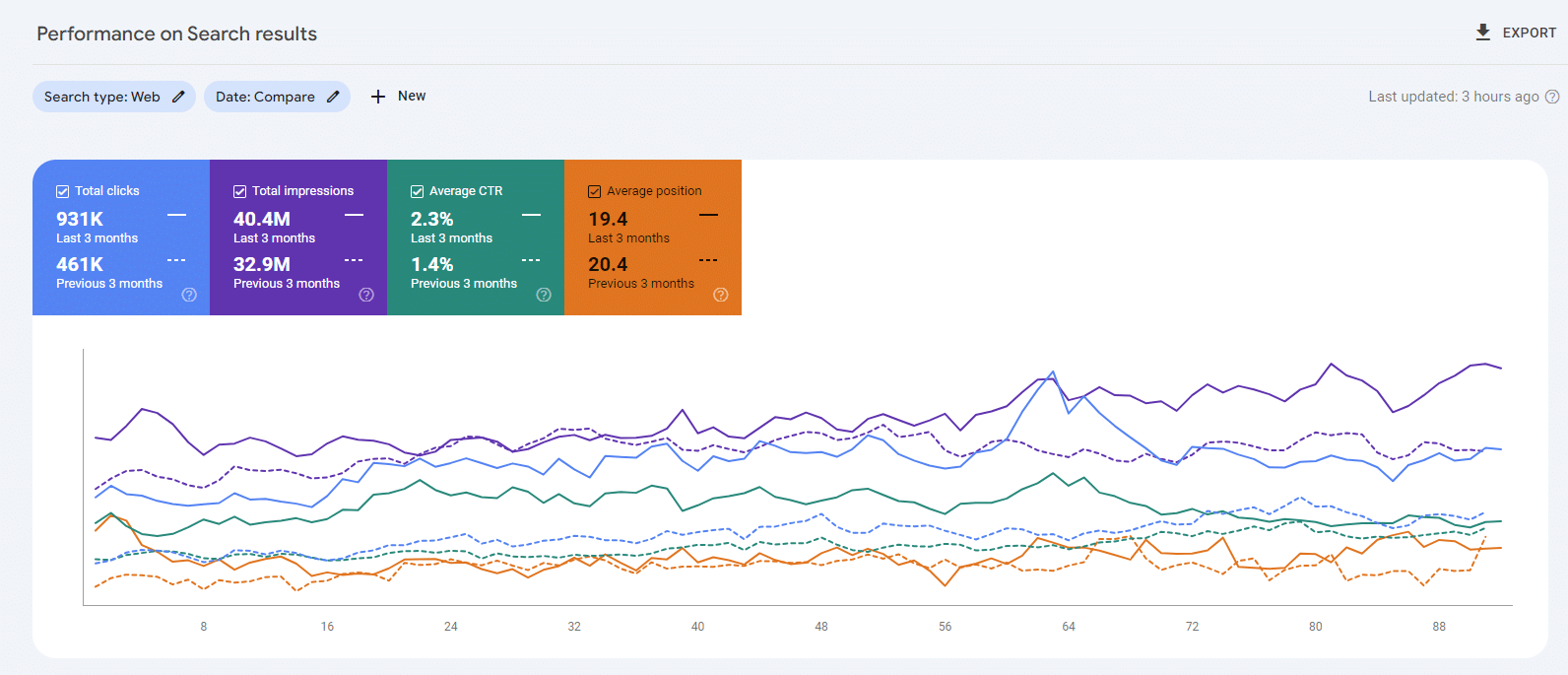
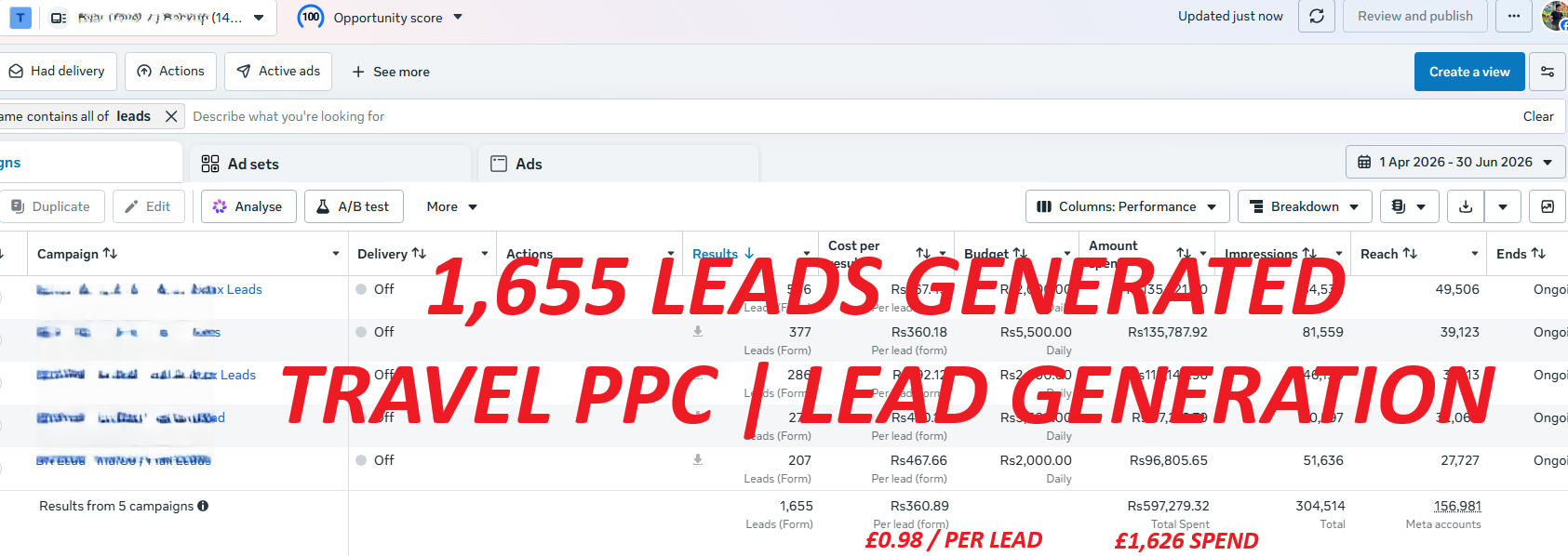
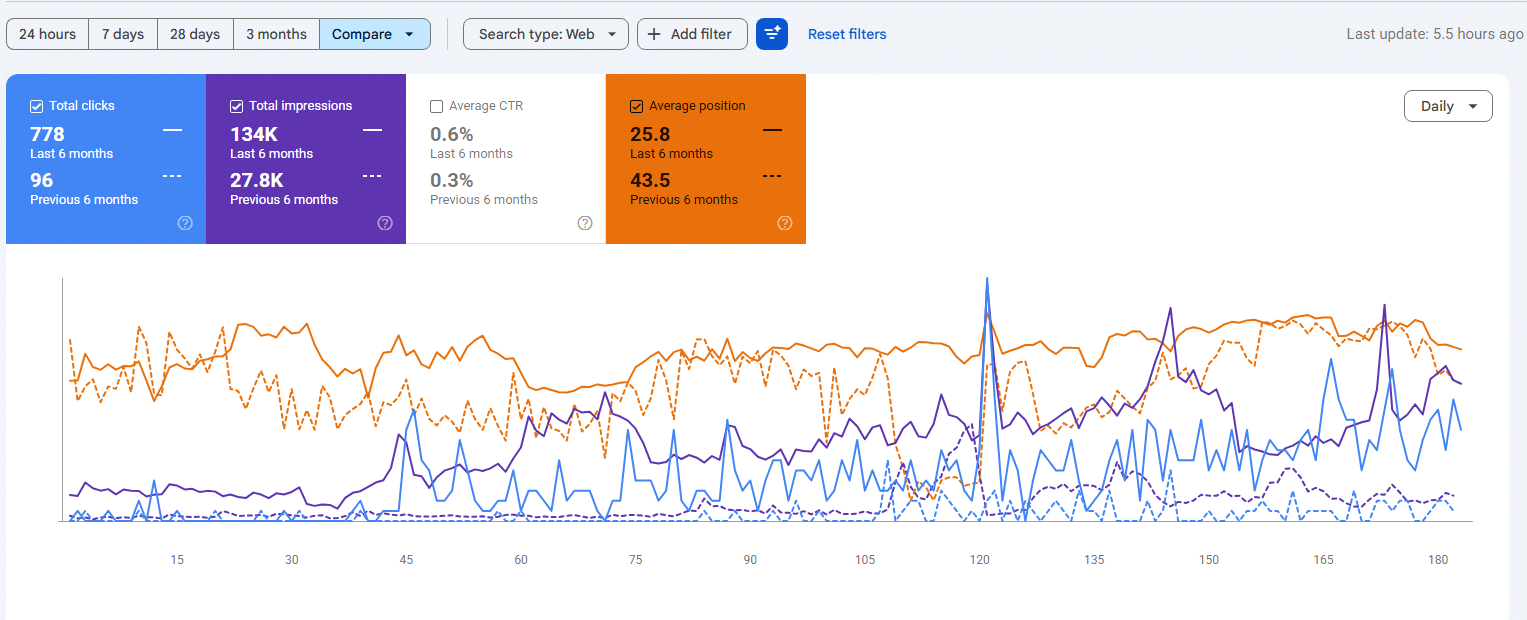
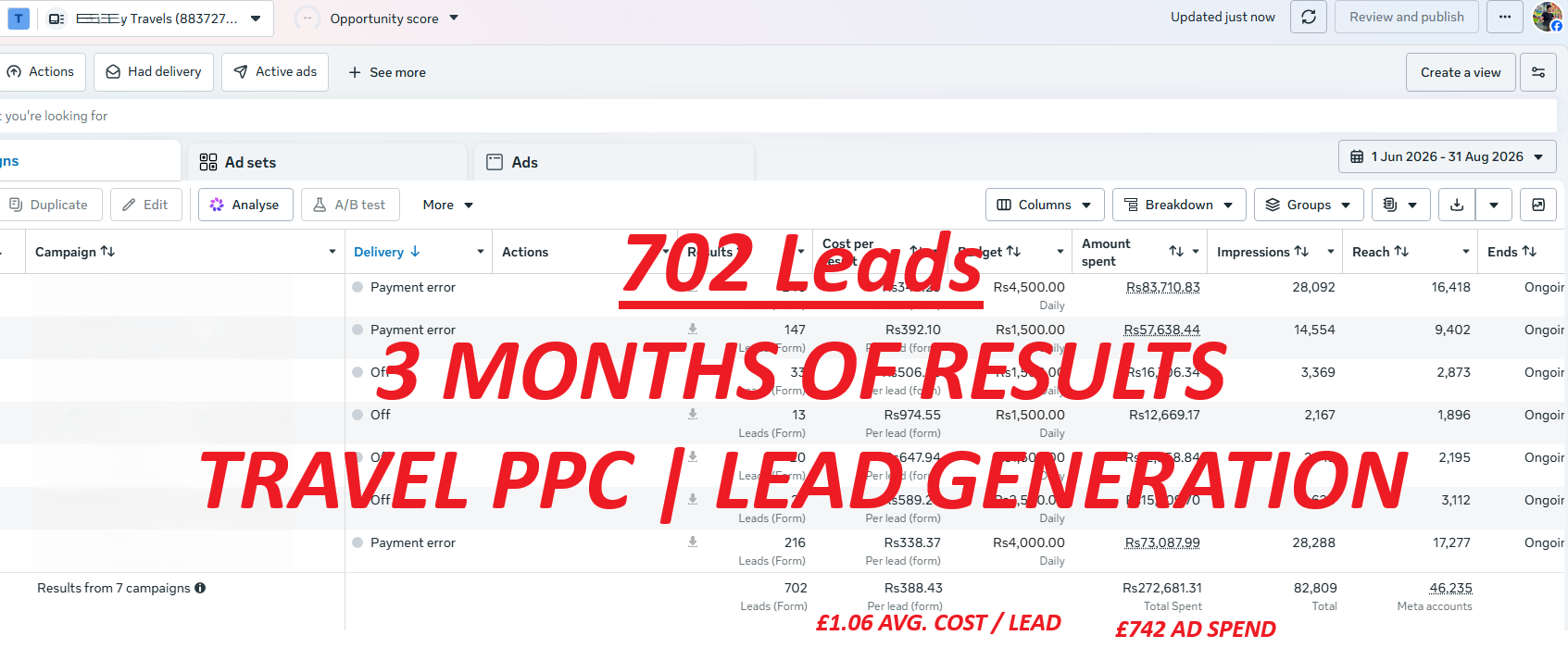
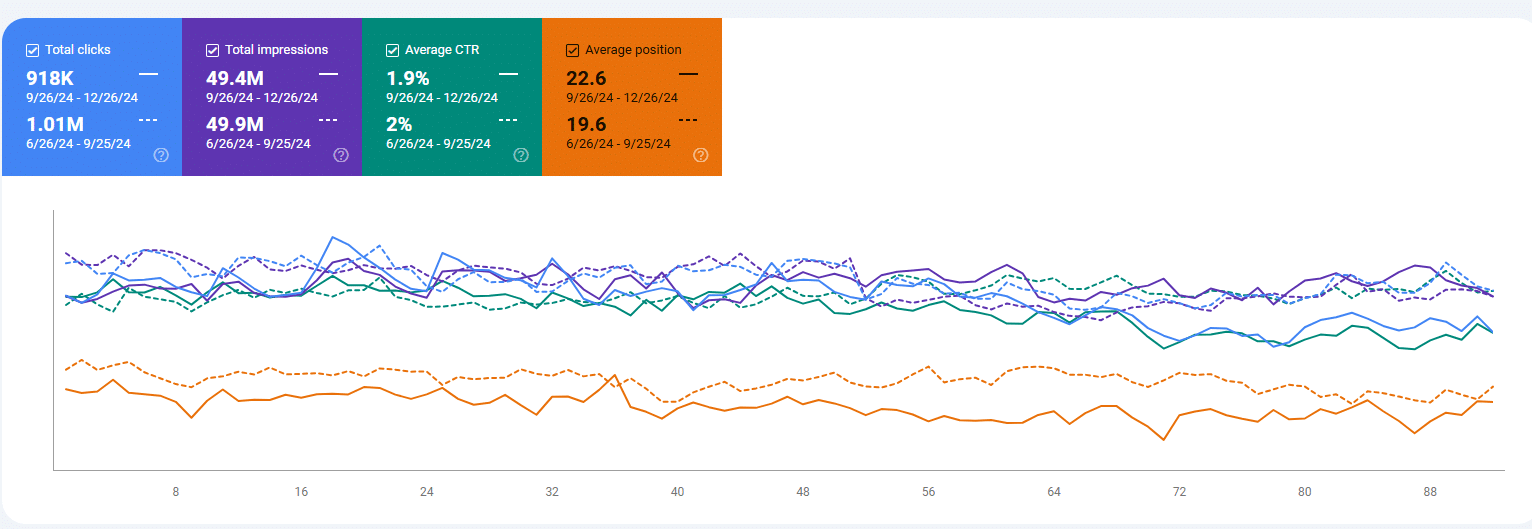
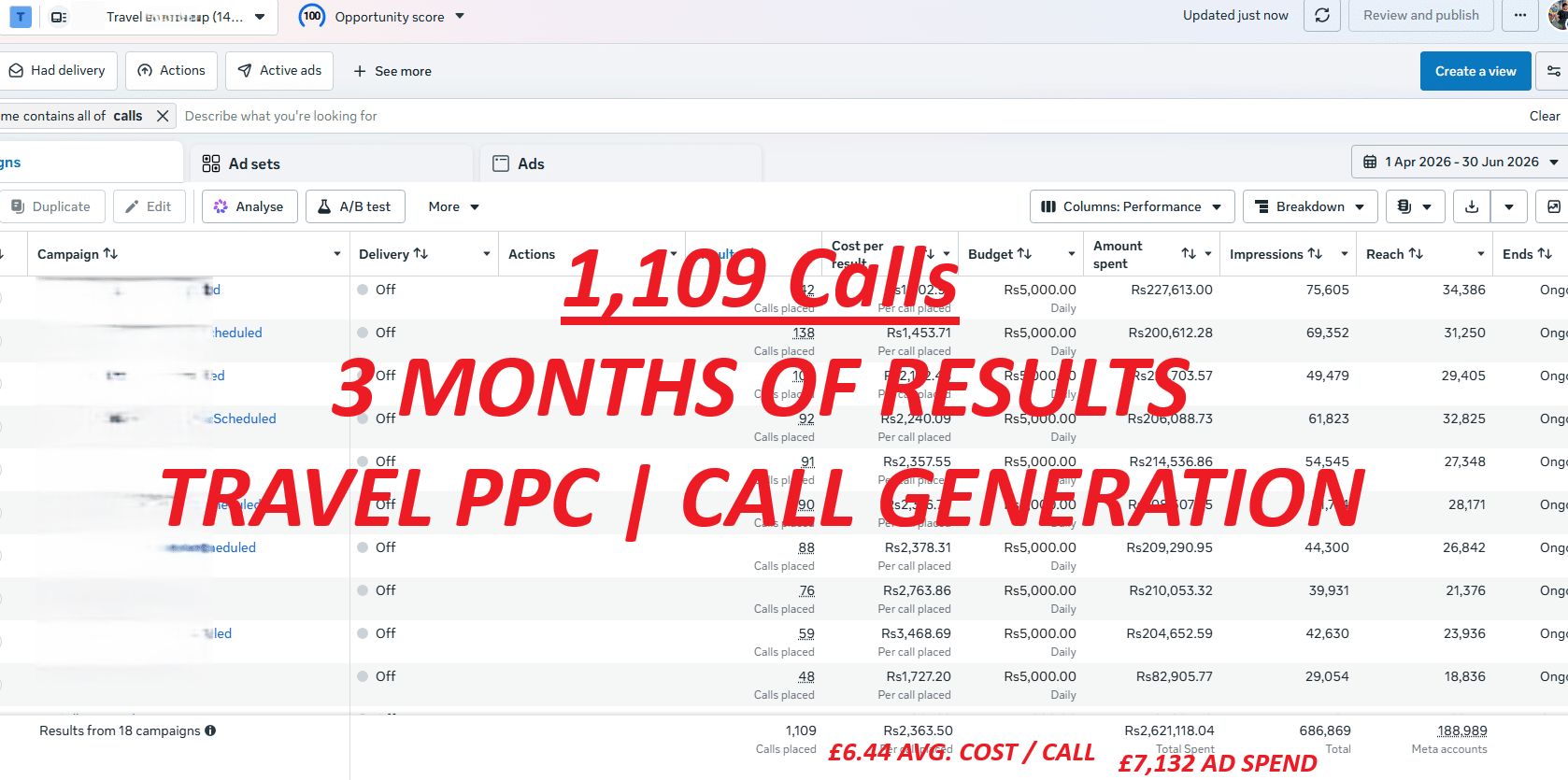
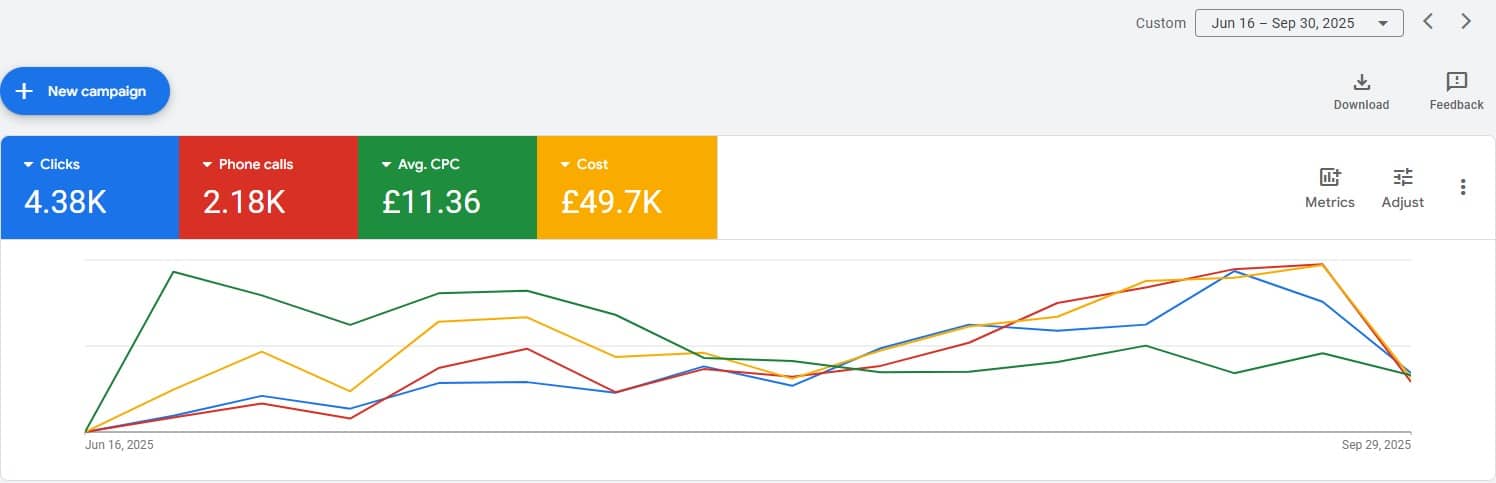
    Conversion rate optimisation in practice

    Results Backed by Real Data

    Effective conversion rate optimisation should connect a clearly defined business problem with a practical intervention and an outcome that can be measured. The evidence should explain what changed, when it changed and how success was assessed.

    What People Say About Us

    I am quite grateful for Nexa’s promptness. It hasn’t always been apparent when we can expect an update to arrive while working with different development teams in the past. Nonetheless, Nexa has interacted with us quite well. They notify me of any updates before I even get a chance to ask about anything that needs to be fixed. The fact that they are so responsive has been extremely pleasant.

    Source: G2

    It has been really nice to see how responsive they are.

    It has been really nice to see how responsive they are.

    Jeannie - Marie N. Founder Small-Business

    Find Out Where Your Website Loses Potential Customers

    Why You Need a Conversion Rate Optimisation Specialist

    Your website may attract relevant visitors but still lose potential customers before they enquire, register or complete a purchase. Conversion rate optimisation helps identify where the journey falls short and where improvements may make a meaningful difference.

    Driving more traffic is not always the answer. If landing pages, forms or checkout steps create confusion or unnecessary friction, additional visitors may encounter the same barriers.

    For lead generation businesses, the priority may be helping more suitable prospects complete an enquiry. For ecommerce businesses, it may be making product discovery and checkout easier. The right approach depends on your customers, website and commercial objectives.

    We focus on identifying opportunities that can be investigated, prioritised and measured. Rather than making changes based on guesswork, the aim is to understand the available evidence and connect website improvements to meaningful business outcomes.

    Visitor Behaviour and Conversion Barriers

    Visitors may leave a website because the next step is unclear, important information is missing or the journey feels unnecessarily complicated. Reviewing available data and user journeys can help identify where further investigation is needed.

    Your landing pages should match visitor expectations and make the intended action clear.

    Reviewing page messaging, content structure and the steps between arrival and conversion can reveal opportunities to reduce friction for both lead generation and ecommerce journeys.

    Small obstacles can make important actions harder to complete. Depending on your website, areas to review may include form length, unclear calls to action, unnecessary steps or points of hesitation during checkout.

    Not every proposed change needs an A/B test, and not every observed change proves an improvement.

    Establishing clear conversion goals, reviewing reliable data and selecting an appropriate evaluation method helps keep decisions focused on evidence rather than assumptions.

    Why Businesses Choose Nexa Growth

    Conversion rate optimisation should support the commercial goals of the business, whether that means generating stronger enquiries or helping more shoppers complete their purchases. The scope should reflect the existing website, available evidence and resources required to implement changes.

    Commercially focused priorities

    Keep proposed improvements connected to meaningful business actions rather than treating every interface change as a conversion opportunity.

    Clear recommendations

    Explain the problem being addressed, the proposed change and the reason it deserves attention before work is prioritised.

    Measurement led decisions

    Use available performance data and agreed conversion definitions to assess whether changes support the intended objective.

    A scope suited to your needs

    Determine the appropriate work according to your website, business goals, existing measurement setup and available implementation resources.

    Discuss Your Website’s Conversion Opportunities

    Explore the right next step for your website

    Use the conversation to explain your website, commercial objectives and the actions you want visitors to complete. You can also discuss the conversion challenges you have observed and the information currently available.

    The next step should depend on your requirements, existing analytics setup and the type of support needed. Any proposed work can then be scoped around the relevant priorities and practical constraints.

    What you can discuss

    • Website conversion objectives
    • Current customer journeys
    • Measurement and analytics
    • Potential improvement priorities

    Frequently Asked Questions

    1. What does a conversion rate optimisation agency do?
    A conversion rate optimisation agency helps businesses understand why website visitors do not complete intended actions and identify opportunities to improve the journey. Depending on the agreed scope, work may involve reviewing website performance, analysing user behaviour, recommending changes and evaluating their impact.
    2. How do you calculate website conversion rate?
    Conversion rate is generally calculated by dividing the number of recorded conversions by the relevant number of visitors or sessions, then multiplying by 100. The correct denominator depends on the measurement method. Use a consistent definition when comparing performance over time.
    3. Which businesses can benefit from conversion rate optimisation?
    CRO can be relevant to lead generation websites and ecommerce businesses that receive traffic but want to improve meaningful actions. The suitability of a project depends on its objectives, the available evidence, the website’s current performance and the changes that can realistically be made.
    4. What do conversion rate optimisation services include?
    The scope may include conversion analysis, user journey reviews, landing page recommendations, form improvements, measurement planning and testing where appropriate. The specific deliverables should be agreed according to the business’s needs, available data and implementation requirements.
    5. How do you identify why website visitors are not converting?
    Start by defining the intended action and reviewing the available performance data. Depending on the setup, further investigation may include examining funnel drop offs, page content, user feedback and usability issues. Observations should be distinguished from assumptions until sufficient evidence supports a conclusion.
    6. Is A/B testing necessary for every CRO project?
    No. A/B testing is one possible method, not a requirement for every project. Its suitability depends on traffic, the size of the effect being investigated, measurement quality and technical feasibility. Other forms of analysis may be more appropriate when a controlled test is not practical.
    7. How much website traffic is needed for conversion testing?
    There is no single traffic threshold suitable for every test. The required sample depends on the existing conversion rate, the improvement being measured, statistical requirements and the quality of the data. A testing plan should assess feasibility before an experiment begins.
    8. How long does conversion rate optimisation take?
    The timeframe depends on the complexity of the website, the availability of reliable data, the changes required and whether testing is appropriate. Initial analysis and recommendations may have different timelines from implementation and subsequent measurement. A realistic schedule should be agreed after reviewing the scope.
    9. Can CRO improve both lead generation and ecommerce sales?
    CRO can address different conversion goals, including enquiries, registrations and completed purchases. Lead generation work may also need to consider enquiry quality, while ecommerce optimisation may examine the purchase journey. The relevant measurement and priorities depend on the business model.
    10. How do you measure whether CRO changes have worked?
    Define the intended conversion and establish an appropriate baseline before making changes. Compare results using a consistent measurement method and account for factors that may influence performance. Where suitable, controlled testing can help assess whether an observed difference is attributable to the change.
    11. Can CRO work alongside our existing marketing team?
    The working arrangement depends on the agreed scope, responsibilities and available resources. Before work begins, clarify who owns analytics, recommendations, implementation, approvals and reporting so that the activity fits the existing team and workflow.
    12. How will we know whether the work is successful?
    Success should be defined around agreed conversion goals and a reliable measurement method. Depending on the business, this may include completed purchases, qualified enquiries or another meaningful action. Reporting should distinguish measured outcomes from assumptions and acknowledge relevant limitations.
    Ready to Improve Your Website’s Conversion Rate?

    Go to Top