






#1 SaaS MarkOps Agency

Built for Scalable Revenue Operations

Most SaaS marketing teams are not short of tools. The problem is that these systems were added incrementally, never properly connected, and have accumulated enough technical debt to slow down every decision.

That is what a SaaS MarkOps Agency exists to address. We audit what you have, identify the operational gaps, and build the infrastructure that makes your marketing system reliable enough to act on.

Marketing operations is not a configuration exercise. It is the foundation that determines whether your GTM motion can scale and your reporting reflects commercial reality.

Whether your systems are newly implemented or quietly drifting, the starting point is always a clear-eyed audit of what is actually there.

  • MarkOps debt reviewed
  • GTM readiness assessed
  • Pipeline reporting built
  • Tool-neutral recommendations


    Google-Ads-Logo
    Bing_Ads_logo
    Meta_Platforms-Logo
    TikTok Business Logo
    Amazon logo
    Shopify logo

    Our Success in Numbers

    80M+
    $+ Ad Spend Managed
    808080+
    Clients Served Across Multiple Industries
    808080%+
    Average Increase in Leads & Conversions
    8080+
    Years in Marketing

    SaaS MarkOps Services Overview

    Marketing operations for SaaS spans more than tool configuration. It covers how your systems capture buyer behaviour, support commercial decisions, and report what is actually happening in your pipeline. Below is the full scope of what we cover.

    MarkOps Audit and Systems Review

    We audit your existing tools, workflows, data quality, and integration health to surface operational gaps and technical debt before any implementation begins.

    MarTech Stack Strategy

    We provide tool-neutral MarTech recommendations matched to your GTM stage, buying motion, and operational requirements, not what was available at the time.

    Marketing Automation Build

    We build automation programmes structured around lifecycle stage and behavioural triggers, so every touchpoint reflects where the buyer actually is.

    CRM Configuration and Data Hygiene

    We configure your CRM around your actual sales motion, clean existing records, and build the data governance framework that keeps it reliable.

    Lead Scoring and Lifecycle Management

    We build scoring models grounded in observed buying behaviour and ICP fit, so leads passed to sales reflect genuine commercial intent.

    Reporting Infrastructure Build

    We build reporting views structured around the commercial questions your leadership team actually asks, not platform activity summaries.

    MAP Migration and Integration

    We manage MAP migrations with data integrity as the primary constraint, ensuring your operational history and segmentation logic survive the transition intact.

    Funnel Instrumentation and Tracking

    We instrument your full funnel, connecting each stage to a commercial outcome rather than activity volume or platform event counts.

    GTM Readiness Assessment

    We assess whether your current MarkOps setup can support your GTM model at the next stage of growth.
    See why SaaS businesses need more than tool implementation to build a marketing operations function that supports commercial decisions at scale.

    How a Social Media SaaS Scaled Revenue by 608%

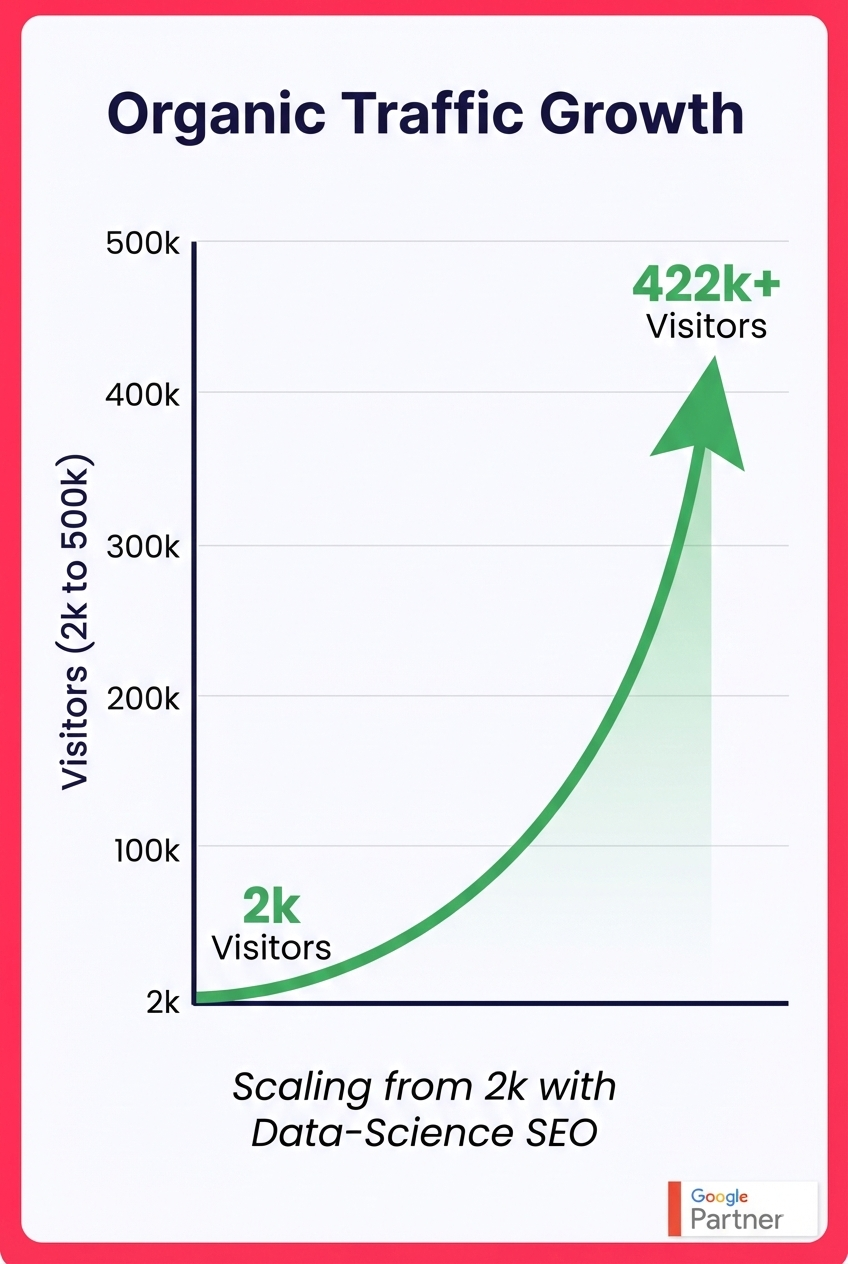
    Scaling organic traffic from 2k to 422k+ using a Data-Science SEO and PPC.

    608%

    Increase in Revenue (MRR)

    422K+

    Organic Traffic Growth

    1.02M

    Total GSC Clicks Generated

    Organic Traffic Growth

    Your marketing systems deserve an honest audit first.

    What People Say About Us

    Nexa Growth delivered a seamless mobile app development experience for Rightpoint—combining expertise, clear communication, and valuable input. The final app exceeded expectations with its design, navigation, and functionality. Highly recommended.

    Source: GoodFirms
    BEST MOBILE APP DEVELOPMENT COMPANY

    BEST MOBILE APP DEVELOPMENT COMPANY

    Phillip Green, Project Manager project management office at Super SA

    Why Marketing Operations Without a Dedicated Strategy Leaves SaaS Businesses Exposed

    Most SaaS marketing systems are not broken. They are misaligned. SaaS businesses rarely outgrow their tools. They outgrow the operational assumptions those tools were configured around.

    A CRM built for a ten-person team does not adapt when that team doubles. A MAP configured for one ICP does not reconfigure when the product expands. That gap widens gradually and by the time it shows up as a pipeline problem, it has been compressing performance for quarters.

    A SaaS MarkOps Agency closes that gap by reviewing operational assumptions before recommending change, aligning systems to the current GTM stage, and building reporting that reflects commercial reality rather than platform defaults.

    Different Layers, Different Functions

    RevOps spans the full revenue cycle across sales, marketing, and customer success. MarkOps sits specifically within the marketing layer.

    Conflating the two means marketing rarely gets the dedicated operational attention it needs, with automation logic, lead lifecycle management, and funnel instrumentation often addressed last or not at all.

    Marketing operations debt builds quietly through systems configured quickly, undocumented workflows, and integrations without a coherent data model. It shows up as reporting nobody trusts and automation that misfires.

    Left unaddressed, it slows every process that depends on the marketing system, making campaign setup, reporting, and decisions take far longer than they should.

    A GTM motion is only as scalable as the operational infrastructure behind it. GTM readiness is a MarkOps question as much as a strategy one.

    Whether entering a new segment or scaling PLG into enterprise, marketing systems need to be assessed and aligned before the motion begins, not after it has already stalled.

    What a SaaS MarkOps Agency Engagement With Nexa Actually Involves

    Most MarkOps engagements begin with a tool recommendation and end with the same problems. We start from the audit. What gets built is determined by what the audit actually finds.

    Audit Before Any Implementation Begins

    Every engagement starts with a structured review of your existing systems, data quality, workflow logic, and integration health. No tool is recommended and no implementation begins until we have a clear picture of what is already there and what is actually causing the operational gap.

    Tool-Neutral Recommendations Throughout

    We have no commercial partnerships with marketing technology platforms. Every stack recommendation is based on your GTM model, your existing data infrastructure, and your operational requirements at the current stage, not on which platform generates a referral fee or which certification we hold.

    Reporting Built Around Commercial Decisions

    Every reporting view we build is structured around the questions your leadership team needs to answer, not the metrics your platforms surface by default. If a dashboard requires a briefing before it can be read, it has not been built around the right questions.

    Full Handover and Documentation Included

    Every engagement ends with complete documentation of what was built, why it was built that way, and how your internal team can own, maintain, and evolve it. MarkOps infrastructure that only the agency understands is not an asset. It is a dependency.

    Still evaluating? Let the audit process speak for itself.

    When Marketing Operations Becomes a Liability

    What quietly happens when SaaS marketing systems are never aligned to the GTM motion they are supposed to support

    Debt Slowing Everything Down

    When MarkOps debt accumulates across workflows and integrations, routine tasks take longer than they should. Campaign setup, list management, and reporting all require manual workarounds that consume team capacity without contributing to pipeline.

    Dashboards Nobody Trusts

    When systems are not properly instrumented, dashboards reflect platform activity rather than commercial reality. Budget and channel decisions get made on numbers that marketing, sales, and finance all interpret differently because the underlying data was never aligned.

    Infrastructure Blocking Growth

    A GTM motion that outgrows its operational infrastructure stalls in ways that look like strategy failures but are actually systems failures. Segmentation breaks, automation misfires, and the team spends more time managing the system than running programmes.

    Our SaaS MarkOps Agency Process

    How We Structure a SaaS MarkOps Agency Engagement From Audit to Operational Infrastructure
    number-1

    MarkOps Audit and Systems Review

    We conduct a full inventory of your existing tools, workflows, data quality, and integration health before any recommendation is made or implementation is scoped.

    number-2

    GTM and Reporting Requirements Mapping

    We define what your marketing system needs to support at your current GTM stage, establishing the operational requirements that will govern every decision that follows.

    number-3

    Stack and Tooling Recommendations

    Based on the audit and requirements mapping, we provide tool-neutral recommendations matched to your GTM model, data infrastructure, and operational requirements at the current stage.

    number-4

    Implementation and Integration Build

    Workflows, automations, scoring models, and integrations are built and tested against the defined requirements, with data integrity maintained as the primary constraint throughout.

    number-5

    Reporting Infrastructure and Pipeline Tracking

    Reporting views and pipeline tracking are built around the commercial questions your leadership team needs to answer, not the default dashboards your platforms provide out of the box.

    number-6

    Handover, Documentation, and Iteration Support

    Every element of what was built is fully documented and handed over so your internal team can own, maintain, and evolve the system without ongoing agency dependency.

    How a SaaS MarkOps Agency Compares to a Generic RevOps or MarTech Agency

    What SaaS founders, CMOs, and marketing operations leads should verify before committing to a marketing operations engagement

    Feature Nexa Growth Logo Other Agencies
    MarkOps Debt Review
    Audit Before Implementation
    GTM Readiness Assessment
    Tool-Neutral Stack Recommendations
    Pipeline-Linked Reporting Build ?
    Full Handover and Documentation
    Senior Consultant Involvement ?
    Single Point of Contact
    Transparent Scope and Pricing ?
    No Long-Term Contract Required

    If you are still comparing options, a single conversation about your current marketing operations setup is usually enough to bring clarity. Schedule a call below.

    Let's Review Your Marketing Operations Setup Together

    Most MarkOps problems become apparent within the first conversation. Bring your current systems, your reporting frustrations, and the GTM requirements your marketing infrastructure is struggling to support. We will take it from there.

    What Happens on the Call:

    • We review your existing systems and operational gaps
    • We identify where MarkOps debt is compressing team velocity
    • We outline what a structured engagement would involve

    There is no obligation beyond the call itself. If the engagement model fits your current stage and operational requirements, we agree on next steps. If it does not, you leave with a clearer picture regardless.

    One conversation is enough to identify where the gaps are.

    Frequently Asked Questions

    1. What does a SaaS MarkOps agency do?
    A SaaS MarkOps Agency audits, builds, and aligns the marketing systems, automation, and reporting infrastructure that SaaS marketing teams depend on to operate reliably and connect their activity to commercial outcomes.
    2. What is the difference between MarkOps and RevOps?
    RevOps aligns sales, marketing, and customer success around shared revenue metrics. MarkOps sits specifically within the marketing layer, managing the systems, data, and automation that marketing depends on to function reliably at every stage.
    3. What is marketing operations debt and how does it affect SaaS growth?
    MarkOps debt is accumulated technical debt across workflows, integrations, and data models configured for an earlier business stage. It compounds quietly, slowing every marketing process and eroding confidence in the reporting that commercial decisions depend on.
    4. Which tools does a SaaS MarkOps agency work with?
    We work across HubSpot, Marketo, Pardot, Salesforce, Segment, and other common SaaS marketing and CRM platforms. Tool recommendations are always based on your GTM model and existing infrastructure, not our platform partnerships.
    5. How do you measure the success of a MarkOps engagement?
    Success is measured against operational reliability, reporting accuracy, and whether the marketing system can support the GTM motion at the next stage of growth without requiring manual workarounds or agency dependency to function.
    6. Do you work with SaaS startups or only established businesses?
    Both, where a defined GTM motion exists and there is enough marketing activity to warrant operational infrastructure. Pre-GTM businesses typically benefit more from positioning and ICP work before a MarkOps engagement adds meaningful value.
    7. How long does a MarkOps engagement typically take?
    An audit and initial recommendations typically take two to three weeks. Implementation timelines depend on stack complexity, integration requirements, and whether a MAP migration is involved. Most engagements run between six and twelve weeks in total.
    8. Can you work alongside an existing in-house marketing team?
    Yes. Most engagements are structured to complement internal teams rather than replace them. We build and document the infrastructure, then hand it over so your team can own and evolve it independently going forward.
    9. Not sure where your MarkOps gaps are?
    A structured audit is usually enough to identify where systems, data, and reporting are misaligned with your current GTM requirements. Schedule a call and we will give you an honest assessment of where your setup stands.
    Go to Top