




Skip to content Skip to footer

#1 SaaS Demand Generation Agency

Built to Fill Your Pipeline

Most SaaS businesses treat demand generation as lead generation. Campaigns run, MQLs get reported, and sales teams work through contacts who were never close to buying.

The real problem is failing to distinguish between demand creation and demand capture. One reaches buyers before they search. The other converts buyers who already are. Without both, you are invisible to future buyers or irrelevant to current ones.

A SaaS demand generation agency builds a system that addresses both. It starts with understanding how buyers research and decide, most of which happens before they ever speak to sales.

Start by assessing what your current demand programme is truly built around, then realign it to your business goals.

  • Demand creation included
  • Dark funnel visibility
  • Pipeline not MQL volume
  • Buying committee coverage


    Google-Ads-Logo
    Bing_Ads_logo
    Meta_Platforms-Logo
    TikTok Business Logo
    Amazon logo
    Shopify logo

    Our Success in Numbers

    80M+
    $+ Ad Spend Managed
    808080+
    Clients Served Across Multiple Industries
    808080%+
    Average Increase in Leads & Conversions
    8080+
    Years in Marketing

    SaaS Demand Generation Services Overview

    Demand generation for SaaS spans more than paid media and content. It covers creating awareness with buyers not yet in market, converting those who are, and monitoring signals that indicate when an account is moving toward a decision. Every service is built around pipeline contribution, not channel activity.

    Demand Creation Strategy

    We build awareness programmes that establish category positioning and keep your brand present during the research phase that precedes every buying decision.

    Demand Capture and Conversion

    We structure search, paid social, and conversion architecture that intercepts high-intent buyers at the moment they are ready to engage, before a competitor does.

    Account-Based Marketing

    We identify target accounts, map buying committees, and build programmes that move specific accounts through evaluation toward a commercial conversation.

    Paid Media for Pipeline

    We manage campaigns across Google and LinkedIn with targeting built around your ICP and buying stage, not platform optimisation defaults.

    SEO for Demand Generation

    We develop SEO programmes that create visibility across every stage of the buying journey, from initial awareness through to active evaluation.

    Content-Led Demand Programmes

    We produce and distribute content that creates category awareness, builds trust with buying committees, and accelerates evaluation for in-market accounts.

    Intent Data and Signal Monitoring

    We integrate intent data so sales and marketing are alerted to in-market account activity before a prospect ever fills in a form.

    Marketing Automation and Nurture

    We build nurture programmes that maintain brand presence with out-of-market accounts, so when a buying trigger occurs, your product is already familiar.

    Demand Generation Audit and Diagnostic

    We audit where demand creation and capture are misaligned and identify what needs to change before building anything new.
    See why SaaS businesses need more than channel-level execution to build a demand programme that compounds over time.

    How a Social Media SaaS Scaled Revenue by 608%

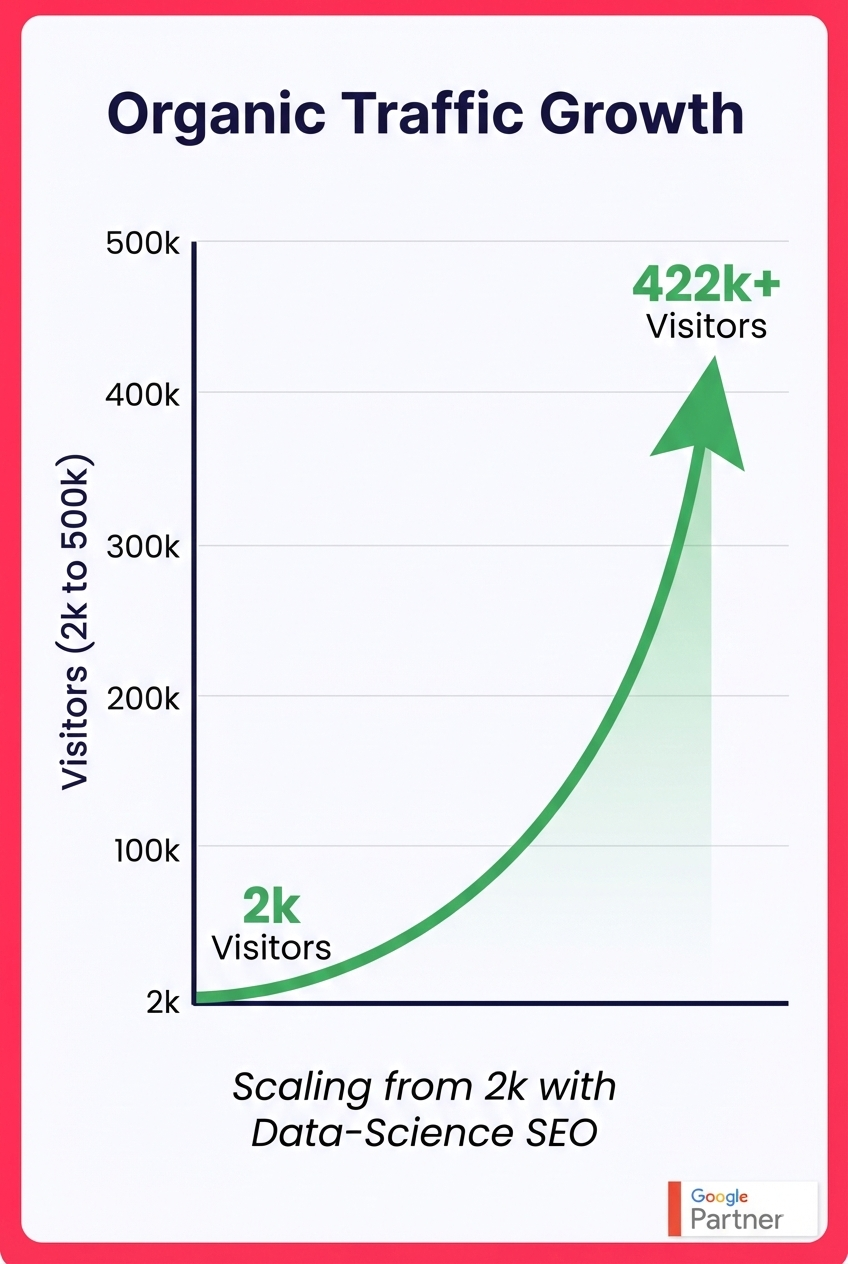
    Scaling organic traffic from 2k to 422k+ using a Data-Science SEO and PPC.

    608%

    Increase in Revenue (MRR)

    422K+

    Organic Traffic Growth

    1.02M

    Total GSC Clicks Generated

    Organic Traffic Growth

    Your demand programme deserves an honest diagnostic first.

    What People Say About Us

    I am quite grateful for Nexa’s promptness. It hasn’t always been apparent when we can expect an update to arrive while working with different development teams in the past. Nonetheless, Nexa has interacted with us quite well. They notify me of any updates before I even get a chance to ask about anything that needs to be fixed. The fact that they are so responsive has been extremely pleasant.

    Source: G2

    It has been really nice to see how responsive they are.

    It has been really nice to see how responsive they are.

    Jeannie - Marie N. Founder Small-Business

    Why Most SaaS Demand Programmes Generate Activity Without Generating Pipeline

    Most demand programmes are built around what is easy to measure, not how buyers actually behave. The issue is rarely budget or channel selection.

    B2B SaaS buyers research independently, consume content anonymously, and arrive at a shortlist before a single sales conversation takes place. Standard attribution only captures the final visible step in a largely invisible journey.

    A SaaS demand generation agency structures programmes around the full buying journey, building presence with buyers not yet in market, capturing intent signals early, and mapping messaging to the entire buying committee.

    The Dark Funnel

    Most B2B SaaS buying journeys begin long before a prospect fills in a form. Buyers research, compare vendors, and form opinions through channels that never appear in standard attribution reporting.

    This invisible phase, known as the dark funnel, is where brand perception and vendor shortlisting actually happen. Ignoring it means optimising for only the final stretch of the buying journey.

    Demand creation and demand capture serve different purposes and need different channels, content, and metrics. Creation builds awareness with buyers not yet searching; capture converts those who are.

    Most SaaS businesses over-invest in capture and neglect creation, leaving them competing for a fixed pool of in-market buyers. The result is rising CAC, unpredictable pipeline, and growth that depends entirely on existing demand.

    PLG and sales-led SaaS businesses have different demand generation needs. PLG requires programmes that drive trial adoption and product discovery.

    Sales-led requires programmes that generate qualified pipeline for a structured evaluation process.

    Mixing the two creates misaligned demand activity. The right agency understands both models and builds a programme architecture that matches how your product actually converts.

    What a SaaS Demand Generation Agency Engagement With Nexa Actually Looks Like

    Most demand generation agencies recommend the channels they sell best. We start from the demand diagnostic instead, so what gets recommended is determined by where your buying audience is and how they actually make decisions.

    Demand Creation and Capture as Distinct Functions

    We treat demand creation and demand capture as separate strategic functions with different channels, budgets, and success metrics. Most agencies conflate the two. The result is a programme that competes for existing demand while doing nothing to build future pipeline.

    Pipeline Contribution as the Only Metric That Matters

    Every demand programme we build is reported against pipeline contribution and revenue impact. MQL volume, impression share, and click-through rates are not success metrics. They are directional signals that only matter if they connect to commercial outcomes.

    Intent Signals Built Into Channel Prioritisation

    Before recommending any channel, we identify where your target accounts are showing intent and what stage of the buying journey they are in. Channel selection follows intent data, not agency preference or platform familiarity.

    One Consultant Across Strategy and Execution

    The consultant who scopes your demand programme is the same person who oversees its execution. There are no handoffs to a delivery team, no account managers interpreting briefs, and no re-briefing someone who was not in the original conversation

    Still comparing? Let the diagnostic process speak for itself.

    When Demand Generation Becomes a Lead Generation Trap

    What quietly happens when demand generation is measured by lead volume rather than pipeline contribution

    Competing for Scraps

    Allocating demand budget entirely to capture means competing aggressively for a fixed pool of in-market buyers while doing nothing to expand it. CAC rises quarter on quarter as more budget chases the same limited demand that already exists.

    Invisible to Future Buyers

    When dark funnel activity cannot be measured, investment in it stops. Brand presence erodes among out-of-market buyers, category awareness stalls, and next quarter's pipeline never materialises because no programme was built to reach it.

    Volume Without Quality

    When demand programmes optimise for MQL volume, sales teams inherit a queue of contacts who were never close to a buying decision. Pipeline slows, sales velocity drops, and marketing and sales spend more time debating lead quality than closing revenue.

    Our SaaS Demand Generation Process

    How We Structure a SaaS Demand Generation Engagement From Diagnostic to Live Programme
    number-1

    Demand Generation Diagnostic

    We review your current demand programme, channel performance, attribution gaps, and buying committee coverage before any strategy is produced or budget is committed.

    number-2

    ICP and Buying Committee Mapping

    We define your ideal customer profile and map every stakeholder in the buying committee, identifying what each one needs to move toward a commercial conversation.

    number-3

    Demand Creation and Capture Strategy

    We build separate strategies for creation and capture, defining the channels, content, and success metrics appropriate to each function based on your specific buying audience.

    number-4

    Channel and Content Programme Build

    Campaigns, content, and intent monitoring are activated across the channels identified in the strategy, each connected to the same pipeline reporting framework from day one.

    number-5

    Intent Monitoring and Pipeline Reporting

    Target account intent signals are monitored continuously. Reporting is structured around pipeline contribution and revenue impact, not platform-level activity metrics or MQL volume.

    number-6

    Optimisation and Iteration Cycles

    Programme performance is reviewed against agreed pipeline targets. Underperforming channels are adjusted, high-intent accounts are escalated to sales, and the strategy evolves as market conditions change.

    How a SaaS Demand Generation Agency Compares to a Standard Growth Agency

    What SaaS founders, CMOs, and VPs of Growth should verify before committing to a demand generation engagement

    Feature Nexa Growth Logo Other Agencies
    Demand Creation and Capture Distinction
    Dark Funnel Strategy Included
    Buying Committee Content Mapping
    Intent Signal Monitoring ?
    Pipeline-Linked Reporting Only
    PLG and Sales-Led SaaS Experience ?
    GEO and AI Search Integration
    Diagnostic Before Programme Build
    No Long-Term Contract Required
    Single Point of Contact

    If you are still weighing your options, a single conversation about your current demand programme is usually enough to bring clarity. Schedule a call below.

    Let's Review Your Demand Programme Together

    Most demand generation problems become clear within the first conversation. Bring your current programme structure, your pipeline attribution challenges, and the buying stages your demand activity is not yet reaching. We will take it from there.

    What Happens on the Call:

    • We review your current demand diagnostic and gaps
    • We identify where creation and capture are misaligned
    • We outline what a structured engagement would involve

    There is no obligation beyond the call itself. If the engagement model fits your current stage and demand programme, we agree on next steps. If it does not, you leave with a clearer picture regardless.

    One conversation is enough to know if this fits.

    Frequently Asked Questions

    1. What does a SaaS Demand Generation Agency do?
    A SaaS Demand Generation Agency builds the system that creates awareness among out-of-market buyers, captures intent from in-market ones, and connects every demand activity to pipeline contribution rather than lead volume or channel-level metrics.
    2. What is the difference between demand generation and lead generation?
    Lead generation captures contact details. Demand generation builds the awareness, trust, and intent that makes a buyer want to engage in the first place. One is a tactic. The other is a system.
    3. What is the difference between demand creation and demand capture?
    Demand creation builds category awareness with buyers not yet searching for a solution. Demand capture converts buyers who already are. Both require different channels, budgets, and success metrics to function effectively.
    4. How do you measure demand generation success for a SaaS business?
    Success is measured against pipeline contribution, CAC trajectory, and sales velocity rather than MQL volume or impression share. Reporting is structured around the commercial outcomes your leadership team tracks, not platform dashboards.
    5. What is the dark funnel and why does it matter for SaaS demand generation?
    The dark funnel is buyer research that happens before any form is filled or ad clicked. It includes peer recommendations, review platforms, and community discussions that never appear in standard attribution reporting.
    6. How is demand generation different for PLG versus sales-led SaaS companies?
    PLG businesses need demand programmes that drive self-serve trial adoption and product discovery. Sales-led businesses need programmes that generate qualified pipeline for a structured evaluation process. Applying one model to the other produces structurally misaligned demand activity.
    7. How long before a demand generation programme produces pipeline results?
    Demand capture improvements typically produce pipeline signals within sixty to ninety days. Demand creation programmes build over six to twelve months as category awareness compounds among out-of-market buyers moving toward an active purchase decision.
    8. Can you work alongside an existing in-house marketing team?
    Yes. Most engagements complement internal teams rather than replace them. We provide the demand strategy, diagnostic framework, and intent monitoring infrastructure while your team manages day-to-day channel execution and content production.
    9. Not sure whether your current demand programme is generating pipeline or just activity?
    A structured demand diagnostic is usually enough to identify where creation and capture are misaligned. Schedule a call and we will give you an honest assessment of where your current programme stands.
    Go to Top