SEO Audit Services for UK Businesses

Identify SEO issues and uncover opportunities to improve website performance.

An SEO audit examines your website to identify issues, uncover missed opportunities and understand what may be affecting its organic search performance.

Whether your website has lost visibility, important pages are struggling or you are planning a redesign, an audit helps identify areas that need attention.

Nexa Growth reviews key areas of your website and provides findings to help you understand potential problems and plan your next SEO improvements.

  • Identify SEO issues

  • Review website health

  • Find content gaps

  • Analyse competitors

  • Prioritise improvements


    A Results-First Agency You Can Rely On

    Google Partner Badge
    Google Partner
    Manchester Clock Tower
    UK-Wide Service
    UK Growth Chart
    UK Consultants
    Expert Award Medallion
    Senior Led
    Lead Generation Funnel
    Pipeline Focused
    Analytics Report
    Transparent Reporting

    Find Out What Is Holding Your Website Back

    An SEO problem is not always obvious from the front end of a website. Pages may look perfectly normal to visitors while having issues with crawling, indexation, internal linking or search relevance.

    Our SEO audit approach examines the factors that can influence how search engines discover, understand and assess your website. The aim is to move beyond surface-level scores and identify findings that deserve attention.

    Website Crawling & Indexation Audit

    We examine whether important website pages can be discovered and accessed by search engines. The review can cover crawl restrictions, indexation signals, redirects, broken URLs, status codes and sitemap-related issues.

    Technical SEO Audit

    We assess the technical structure of your website, including mobile usability, page performance, HTTPS, site architecture and other technical factors that may affect search accessibility and user experience.

    On-Page SEO & Content Audit

    We review important pages for title tags, meta descriptions, headings, content relevance, duplication and missing information. The objective is to identify where pages may need clearer structure or better alignment with search intent.

    Keyword Targeting & Cannibalisation Analysis

    We examine how your website targets relevant search terms and whether multiple pages appear to address the same intent. This can help identify keyword gaps, overlapping content and opportunities to improve page targeting.

    Internal Linking & Backlink Audit

    We review internal links, navigation and the distribution of links between important pages. Where included in the audit scope, we also examine referring domains, backlink relevance and areas that may need further investigation.

    Competitor & Organic Search Analysis

    We compare relevant competitors to understand differences in search visibility, page coverage and keyword targeting. Search performance data can help identify areas where your website may have opportunities to improve.

    SEO Performance: The Data Behind the Progress

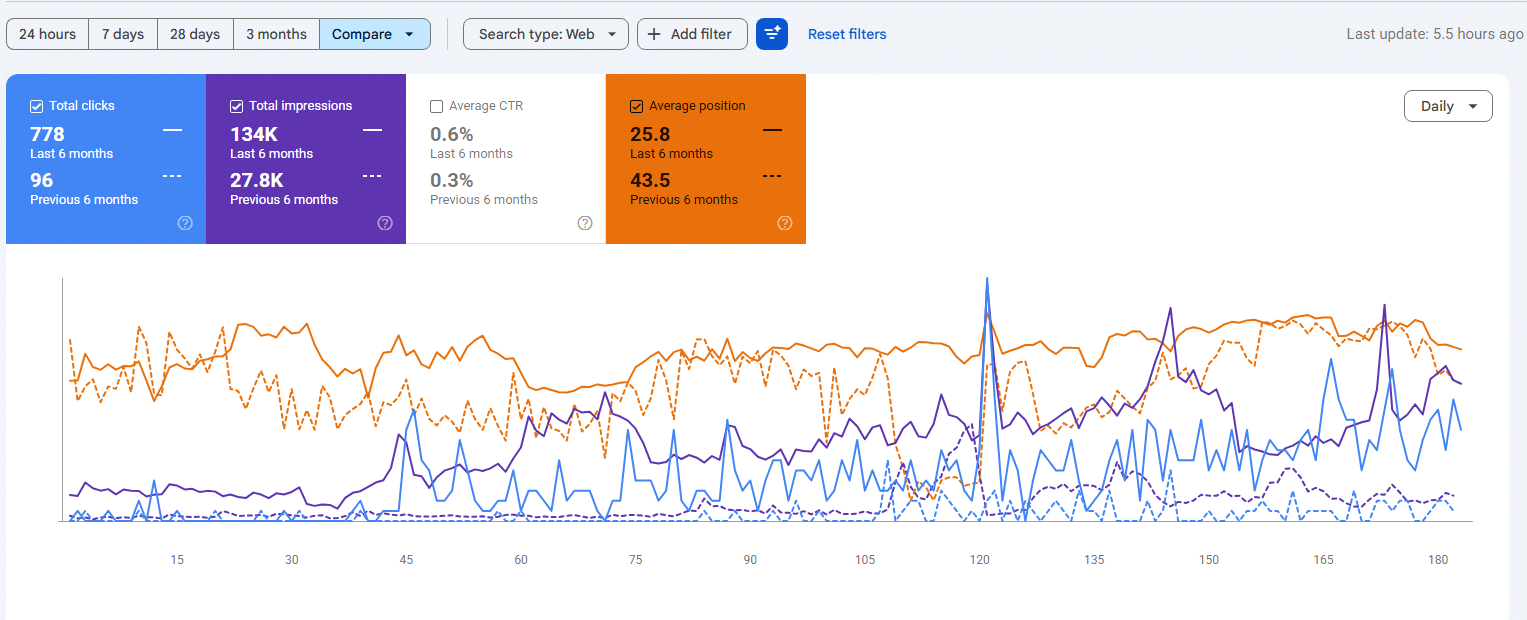
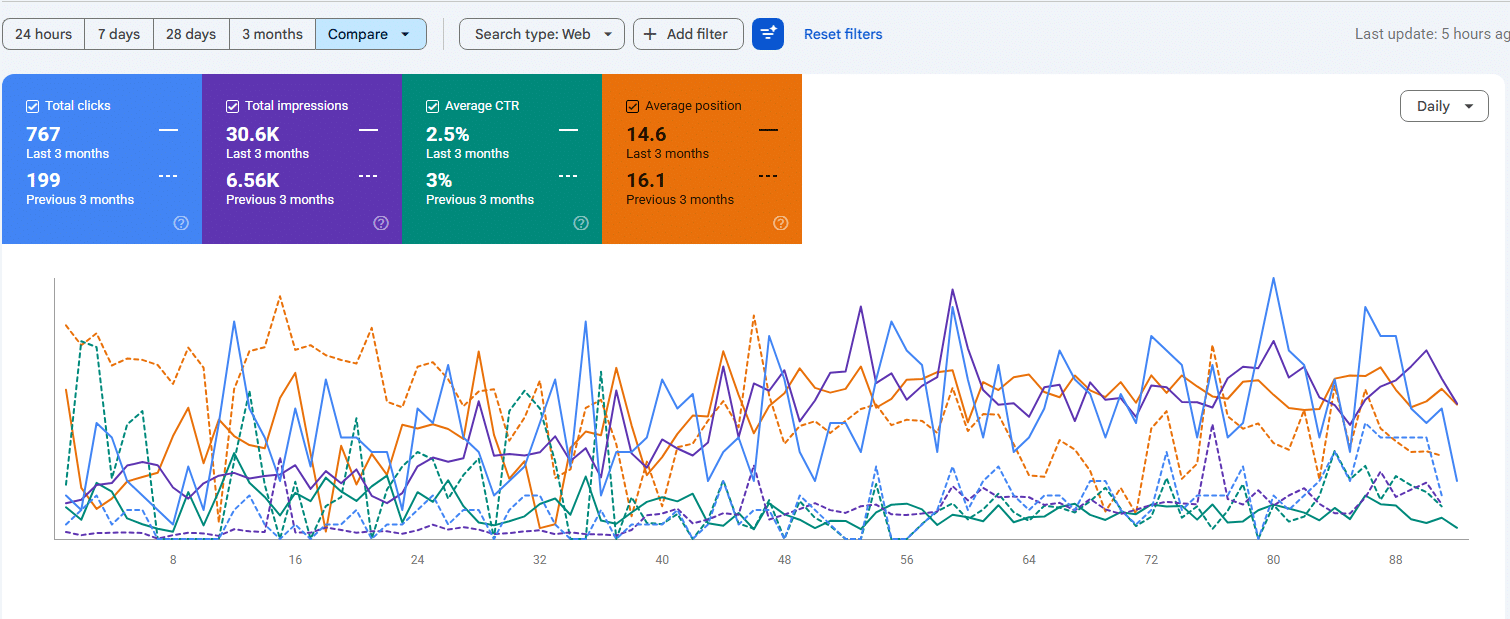
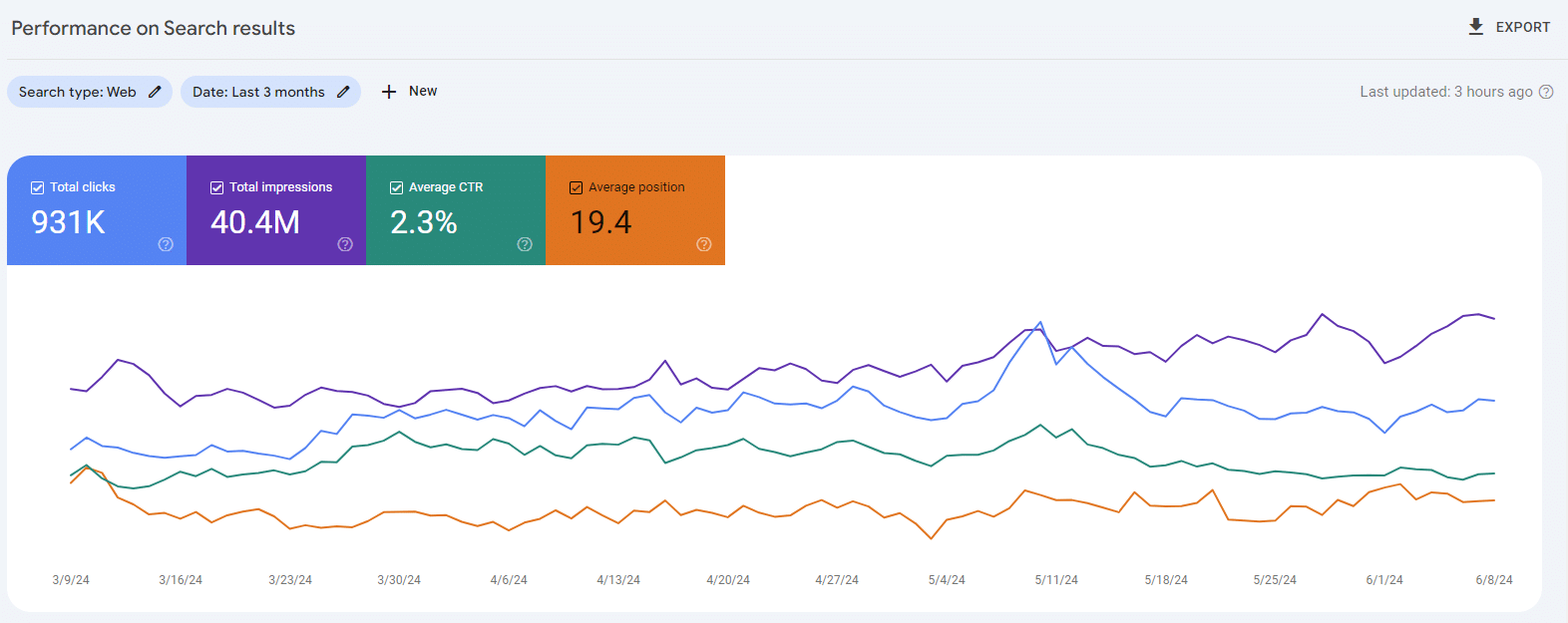
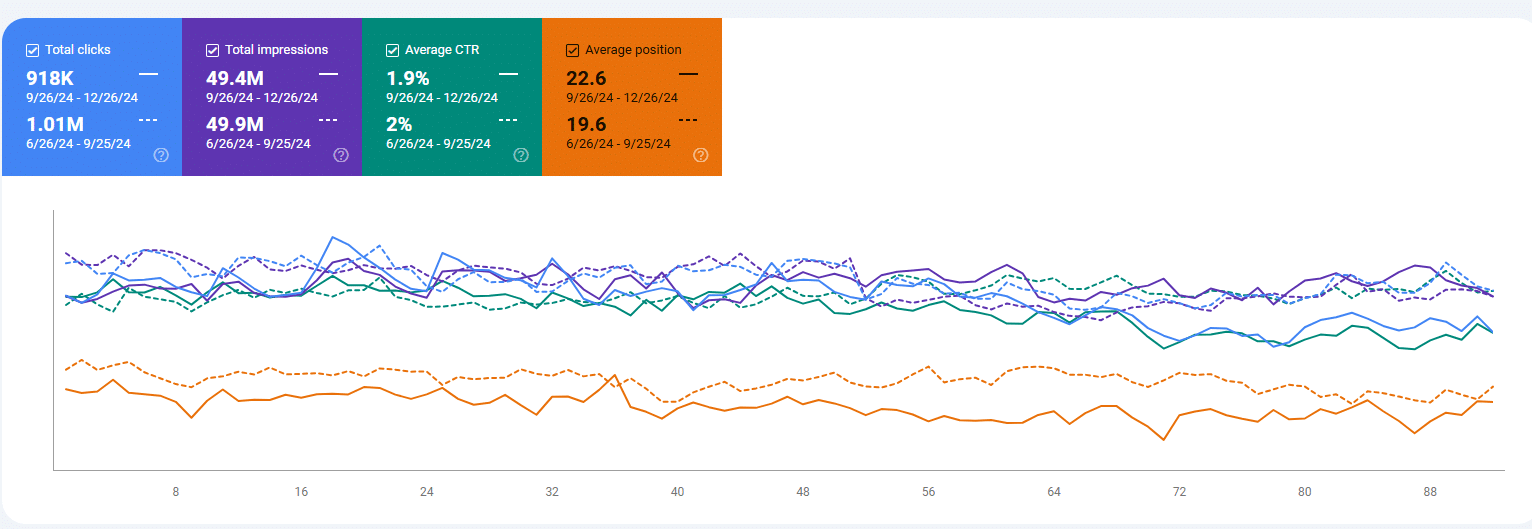
    A General SEO Case Study

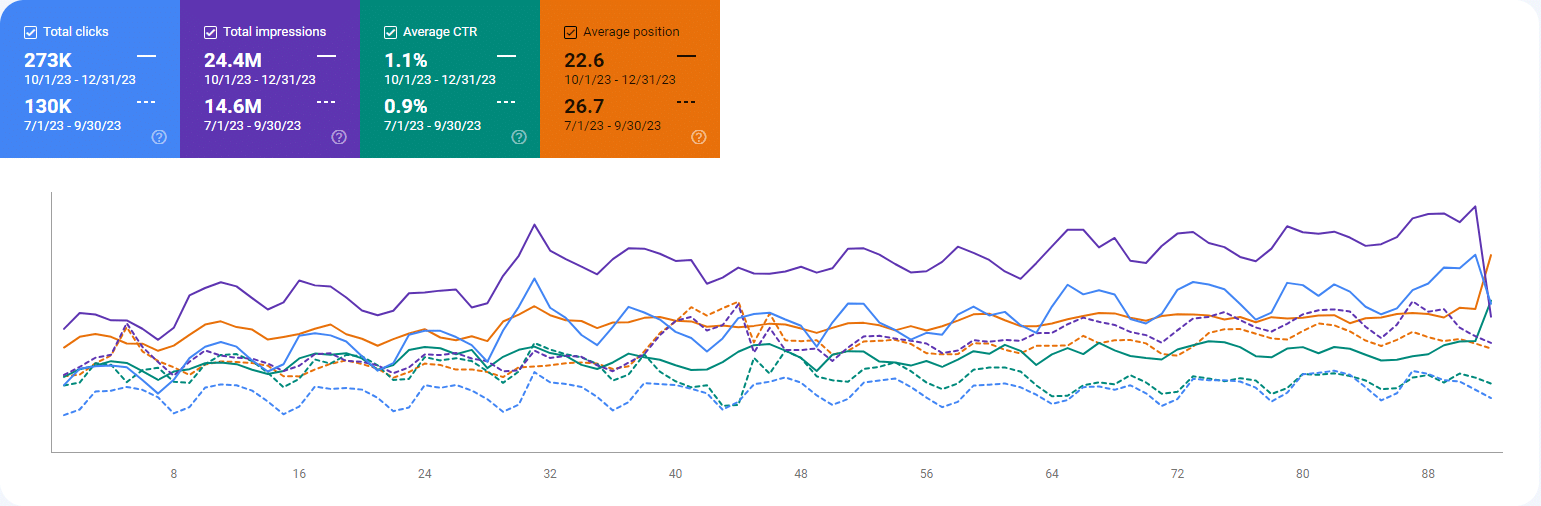
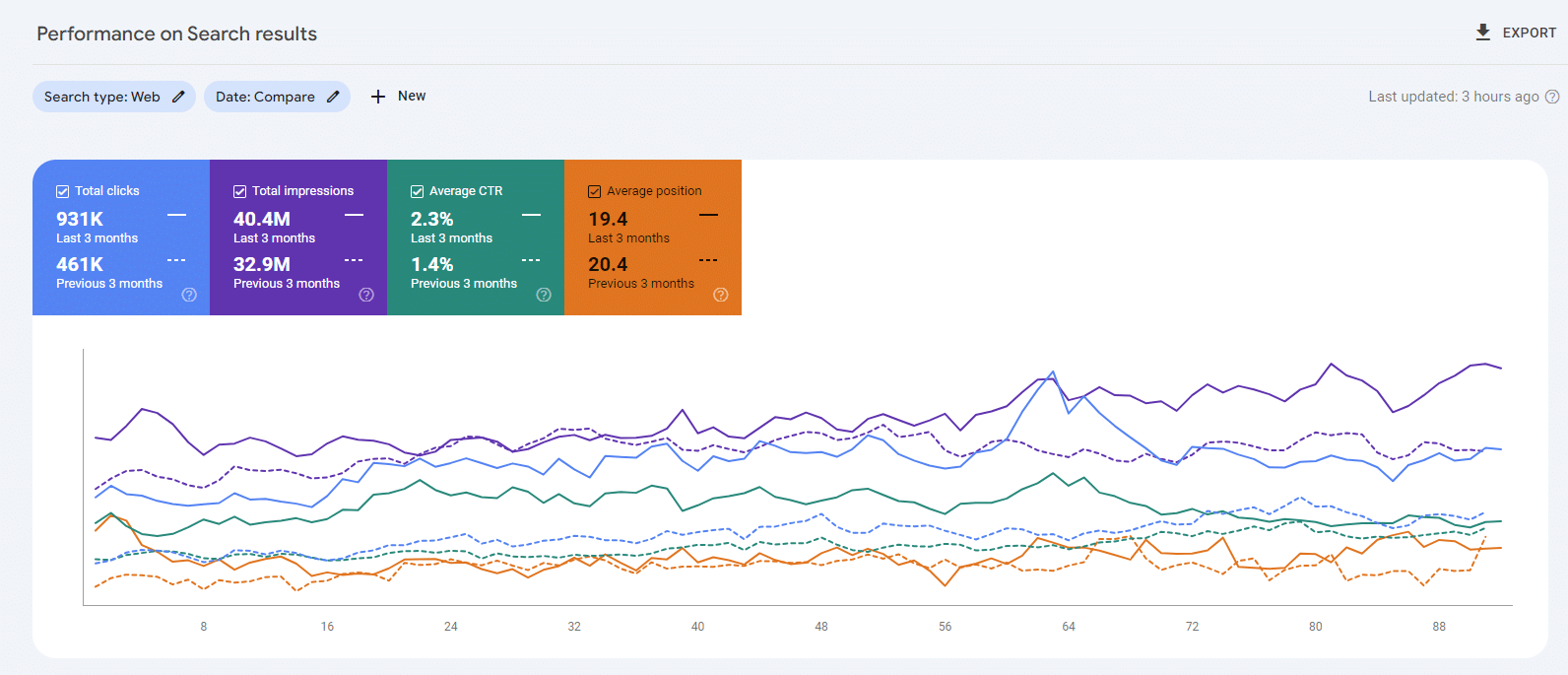
    Review an anonymised example of wider SEO performance, comparing organic clicks, impressions and search visibility across two reporting periods. This demonstrates broader SEO experience, not results attributed solely to an SEO audit.
    What an SEO Audit Can and Cannot Tell You

    Why Expert SEO Analysis Makes a Difference

    An SEO audit involves more than running a website through an automated tool. The findings need to be reviewed in context to understand which issues matter and how they relate to your website’s search performance.

    A long list of technical warnings does not automatically mean every issue deserves immediate attention. Some findings may affect important pages, while others may have little practical impact.

    Your website structure, content, competition and existing SEO work all influence how findings should be interpreted. A useful audit considers these factors rather than treating every website the same way.

    A specialist review helps turn scattered information into a clearer picture of your website’s condition, with recommendations that your marketing or development team can understand.

    Understand the Impact Behind Each Issue

    An issue should be considered in relation to the affected pages and their importance to your business.

    This helps distinguish significant problems from minor technical observations.

    We also assess whether each issue could affect organic visibility or prevent important pages from performing as intended, helping you understand where attention is most needed.

    SEO tools can identify potential issues, but their results need interpretation.

    We consider the wider website context before deciding whether a finding requires further investigation or action.

    Website performance can involve several connected areas.

    We consider how technical accessibility, page structure, internal links and content relevance relate to one another.

    An audit should help your team decide what to address first.

    Clear explanations and prioritised recommendations make it easier to plan the next steps with your developers or marketing team.

    What People Say About Us

    Because Nexa Growth. understood the client’s industry and user expectations so well, the website received a great deal of appreciation. The group created an eye-catching website that greatly increased user interaction. Their technological know-how and wise counsel were especially impressive.

    Source: GoodFirms

    Their technological proficiency really pleased us.

    Their technological proficiency really pleased us.

    Arjun Kumar, Founder at @Taxd

    When Should You Arrange an SEO Audit?

    An SEO audit can be useful at different stages of a website’s development. The reasons for arranging one depend on what has changed, what you are experiencing and what you need to understand.

    Counter 1 Fill Streamline Icon: https://streamlinehq.com

    Your Organic Traffic Has Declined

    If organic clicks or impressions have changed, an audit can help investigate possible technical, content and website-related factors. Search Console data and historical comparisons provide useful context for the review.
    Counter 2 Fill Streamline Icon: https://streamlinehq.com

    You Are Planning a Website Redesign

    A redesign can affect existing URLs, navigation, internal links and content. Reviewing the current website before major changes helps identify SEO considerations that should be included in the project.
    Counter 3 Fill Streamline Icon: https://streamlinehq.com

    Important Pages Are Not Being Indexed

    If key service, product or category pages are missing from Google's index, an audit can investigate possible crawling, indexation and technical accessibility issues.
    Counter 4 Fill Streamline Icon: https://streamlinehq.com

    Your Website Has Grown Significantly

    Adding more pages, categories and content can make website management more complex. An audit can help review the structure and identify areas that may need attention.
    Counter 5 Fill Streamline Icon: https://streamlinehq.com

    You Are Reviewing Previous SEO Work

    If you are unsure what has been completed by a previous agency or internal team, an independent audit can provide a clearer view of the website's current condition.
    Counter 6 Fill Streamline Icon: https://streamlinehq.com

    You Need Direction Before Investing Further

    When there are several potential SEO improvements, an audit can help establish which areas deserve further investigation before committing resources to implementation.

    What an SEO Audit Can and Cannot Tell You

    An SEO audit provides a structured review of your website based on the available data, tools and agreed scope. It can identify technical issues, content gaps, structural concerns and opportunities that deserve further attention.

    However, an audit cannot guarantee that Google will change your rankings after recommendations are implemented. Search performance also depends on competition, website changes, content quality, authority and other external factors.

    Some issues may require access to additional systems, developer investigation or further analysis before a definite cause can be established. The purpose of the audit is to provide evidence-based findings and a sensible direction, not to promise outcomes that cannot be controlled.

    Need a Clearer Picture of Your Website’s SEO?

    From Website Review to an Action Plan

    Understand Your Website

    We begin by understanding your business, website structure, important pages and current SEO concerns. This helps establish the purpose and scope of the audit.

    Review Available Data

    We consider relevant website and search performance information where access is available. This provides context for identifying changes, patterns and areas that need further investigation.

    Examine Key SEO Areas

    We assess the agreed areas of the website, which may include technical accessibility, content, keyword targeting, internal links and backlink information.

    Evaluate the Findings

    We review the observations in context, considering the affected pages, their importance and the potential implications for organic search performance.

    Prepare Recommendations

    We organise the findings into a clearer set of recommendations, helping your team understand which areas should be reviewed first.

    Discuss the Next Steps

    We explain the findings and discuss suitable next steps based on the agreed project scope and your available resources.

    Schedule a Strategy Call

    Tell us about your website, the issues you have noticed and what you want to understand. We can discuss whether an SEO audit is suitable and which areas may need to be reviewed.

    The initial conversation will help establish the website’s requirements, the information available and the appropriate scope for the review.

    • Discuss your website

    • Explain your concerns

    • Identify audit priorities

    • Agree next steps

    Once we understand your requirements, we can outline the most relevant areas to investigate and help you decide on the next steps for improving your website’s SEO.

    Frequently Asked Questions

    1. What is included in an SEO audit?
    An SEO audit can examine technical accessibility, crawling and indexation, on-page content, keyword targeting, internal linking, backlinks and competitor performance. The exact areas reviewed depend on the website and the agreed audit scope.
    2. How long does an SEO audit take?
    The timeframe depends on website size, complexity, technical requirements and the areas included in the review. A smaller website may require less investigation than a large ecommerce or multi-section website. The expected timeframe can be discussed once the scope is understood.
    3. Will an SEO audit improve my Google rankings?
    An audit identifies potential problems and opportunities, but it does not directly improve rankings. Improvements depend on reviewing and implementing suitable recommendations, alongside competition and other search performance factors. No specific ranking outcome can be guaranteed.
    4. Is a manual SEO audit better than an automated report?
    Automated tools can identify potential technical and content issues, but their findings need interpretation. A specialist review considers the website’s structure, important pages and business objectives to help determine which findings deserve attention.
    5. Can you audit my website before a redesign or migration?
    Yes. An audit before a redesign or migration can help identify important URLs, existing search visibility, internal linking and other SEO considerations. This information can help your team plan changes and reduce avoidable risks during the project.
    6. Do you fix the issues identified in an SEO audit?
    An audit identifies issues and provides recommendations. Whether Nexa Growth also supports implementation depends on the agreed project scope and the type of work required. Technical changes may also involve your website developer or internal team.
    7. What information do you need to audit my website?
    We need your website URL and an understanding of your business and main SEO concerns. Access to relevant tools such as Google Search Console or Google Analytics may also help, depending on the audit scope.
    8. How often should a website have an SEO audit?
    There is no single schedule that suits every website. An audit may be useful after significant website changes, a migration, a decline in organic performance or when your business needs a clearer understanding of its current SEO condition.

    Find Out What Your Website Needs Next

    Go to Top